
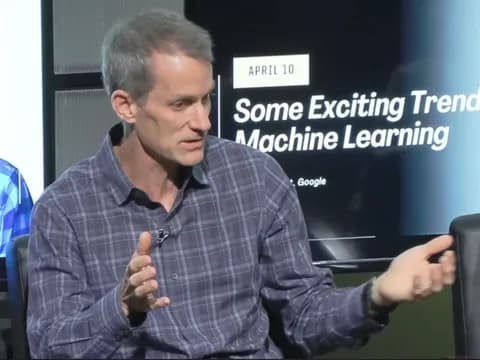
The departure of Google’s long-serving Chief Scientist, Jeff Dean, marks a significant shift in the AI research landscape. Rather than a simple exit, Dean, a 27-year veteran of the tech giant, is spearheading a new venture with the reported financial and infrastructural support of Alphabet, Google’s parent company. This move signals a strategic spinout of top-tier AI talent, focusing on a mission-driven approach to scientific advancement.
Why are top Google AI researchers forming a new Public Benefit Corporation?
The formation of Discovery Loop as a Public Benefit Corporation (PBC) reflects a deliberate choice to prioritize scientific impact alongside commercial viability. Jeff Dean, alongside co-founders Sanjay Ghemawat, Quoc Le, and Oriol Vinyals, is channeling decades of AI expertise into a model designed to accelerate breakthroughs in critical areas. This structure allows the company to pursue long-term research goals that might not align with traditional quarterly earnings pressures, while still attracting significant investment. The team of four, all highly respected figures in AI, aims to apply machine learning to complex scientific challenges, from engineering to drug discovery and clean energy, as reported by industry sources on August 5, 2026.
How will Discovery Loop leverage AI for scientific discovery?
Discovery Loop’s core mission is to harness advanced AI to automate and accelerate the scientific research process itself. This involves developing AI systems capable of generating hypotheses, designing experiments, analyzing vast datasets, and even synthesizing new materials or compounds. The focus extends beyond theoretical AI advancements to practical applications in fields such as machine learning, engineering, and environmental science. By integrating AI at every stage of discovery, the startup intends to drastically reduce the time and resources traditionally required for scientific breakthroughs, potentially transforming industries like pharmaceuticals and renewable energy.
What role will Alphabet play in the new AI venture?
Alphabet, Google’s parent company, is reportedly playing a supportive role in Discovery Loop’s launch, positioning it as a strategic spinout rather than a complete separation. Industry reports indicate that Alphabet will provide financial backing and cloud computing infrastructure, offering the new PBC access to the vast computational resources essential for cutting-edge AI research. This arrangement suggests a collaborative ecosystem where Google retains a connection to its former top talent and their innovative work, while Discovery Loop benefits from a stable foundation and powerful tools. This model could set a precedent for how large tech companies manage and foster high-impact research initiatives that require a distinct operational structure.
What are the practical implications for founders and tech leads in AI?
For founders and tech leads in the AI space, the emergence of Discovery Loop highlights several key trends. First, the move underscores the increasing value placed on mission-driven AI applications, particularly those addressing grand scientific challenges. Second, the Public Benefit Corporation model offers an alternative for ventures seeking to balance profit with purpose, potentially attracting talent and investment aligned with long-term impact. Finally, the strategic backing from a tech giant like Alphabet demonstrates a growing trend of corporate spinouts, where established companies support new entities to explore high-risk, high-reward research areas. This could open new avenues for collaboration and funding for startups focused on deep tech and scientific AI.
Next Steps for Founders and Tech Leads:
- Evaluate PBC Model: Research the Public Benefit Corporation structure to see if it aligns with your venture’s mission and long-term goals, especially if your focus is on scientific or societal impact.
- Identify Strategic Partners: Explore potential partnerships or spinout opportunities with larger corporations that could provide essential resources like funding or computing power, similar to Alphabet’s reported involvement with Discovery Loop.
- Focus on Deep Tech Applications: Consider how your AI solutions can address complex, high-impact scientific or engineering challenges, as this area is attracting significant talent and investment.